
Is urban exploration legal? The honest answer is: sometimes, but entering an abandoned building without permission is often trespassing. A place can look empty, ruined or forgotten and still have an owner, security contractor, redevelopment plan, insurance risk or local rule attached to it.
This guide is a practical planning checklist, not legal advice. Use it to separate safer research from risky assumptions, then combine it with the abandoned places near me guide, the Google Earth KML workflow and a sensible urbex gear checklist before deciding whether a route is worth pursuing.
Why “abandoned” does not mean free to enter
Most abandoned buildings still sit on private or controlled land. Ownership can belong to a company, city, bank, developer, railway, hospital group, school district or private estate. Even when nobody is using the building, the land can still be protected by trespass rules, posted signs, locked gates, cameras or active patrols.
Quick legality filter before any urbex route:
- Owner permission: do you have explicit permission to be on the property?
- Signs and barriers: are there no-trespassing signs, fences, boards, chains or locked doors?
- Public viewpoint: can you photograph from a sidewalk, road, park or approved path instead?
- Recent activity: are there vehicles, lights, maintenance, alarms, cameras or fresh repairs?
- Local rules: does the area have park, rail, industrial, school or municipal restrictions?
The common legal risks explorers underestimate
The main issue is usually not the act of taking photos; it is where you stand while taking them. Risk increases when a route crosses a fence, ignores warning signs, enters a structure, climbs onto roofs, uses tunnels, approaches rail property or depends on a broken window or forced access point.
| Situation | Why it matters | Safer planning choice |
|---|---|---|
| Open door on private land | An open door is not permission to enter | Look for owner permission or skip the interior |
| No-trespassing sign | It clearly signals restricted access | Use public exterior viewpoints only |
| Railway, utility or industrial land | Rules can be stricter and safety risk is higher | Stay off the property and research approved viewing areas |
| Fresh fencing or cameras | The site is likely monitored or recently secured | Remove it from the route |
| Posting exact access details | It can drive crowds, damage and enforcement | Share atmosphere and history, not entry instructions |
How to plan a legal-first urbex route
A cleaner route starts with research layers. Mark candidate buildings, then add ownership clues, public viewpoints, parking options, daylight windows, nearby alternatives and a simple “skip” note when a place is clearly restricted. Maps and KML files are useful because they let you plan without turning a fragile location into a public coordinate dump.
- Build a candidate list, not a promise: every location can be removed after a legal or safety check.
- Use public roads first: exterior photos, heritage streets and industrial landscapes can still make strong shots.
- Ask where possible: owners, caretakers, tour operators and local heritage groups sometimes offer approved access.
- Keep backup stops: parks, viewpoints, legal ruins and public architecture prevent pressure to force a risky visit.
- Strip sensitive metadata: remove GPS data, addresses and access clues before publishing photos.
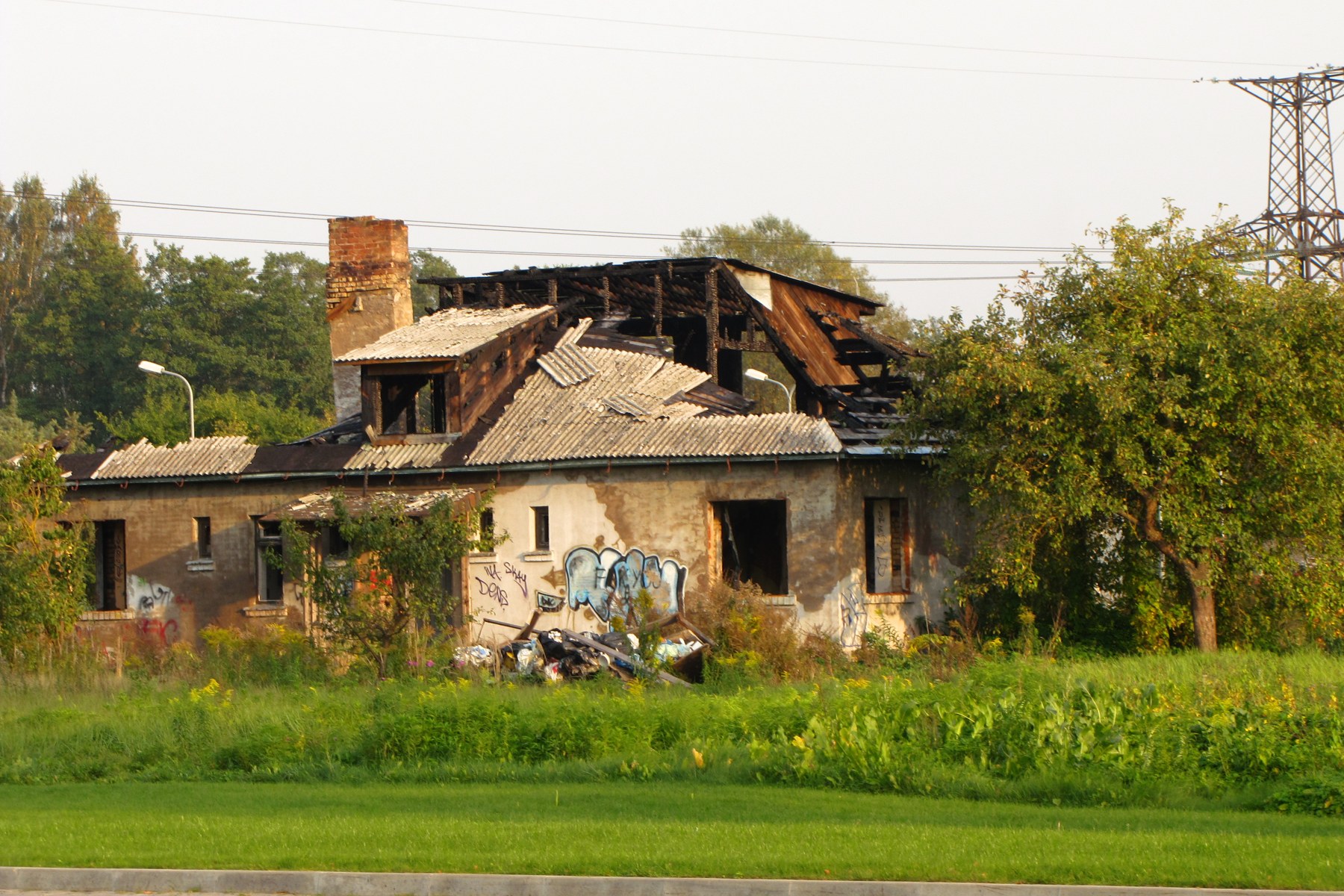
Country and state differences matter
Urban exploration rules vary by country, state, province and city. In one area, civil trespass may be treated differently from criminal trespass; in another, a posted sign, locked gate, utility site, rail corridor or emergency-service response can change the situation quickly. When in doubt, assume you need permission and choose a legal exterior option.
Map resource
Plan routes without publishing sensitive spots
Use private map layers to compare candidate areas, public viewpoints and backup stops before deciding where to go.
FAQ: is urban exploration legal?
Is urbex illegal everywhere?
No. Urban exploration is not one single legal category. The problem is usually trespass, restricted property, unsafe access, damage or ignoring posted rules.
Can I enter if a building has no sign?
Not automatically. No sign does not mean permission. Check ownership, boundaries and safer public viewpoints before assuming access is allowed.
Is exterior photography safer legally?
Usually, if you stay in a public place where photography is allowed. Be careful with private roads, rail land, schools, utilities, military sites and active industrial areas.
Should I post exact abandoned building coordinates?
Generally no. Exact public coordinates can bring vandalism, scrappers, crowds and enforcement pressure. Share responsible planning context instead.
What is the safest legal option?
Permission-based access, official tours, public viewpoints and exterior photography are the cleanest options. If a route depends on forcing entry or ignoring restrictions, skip it.